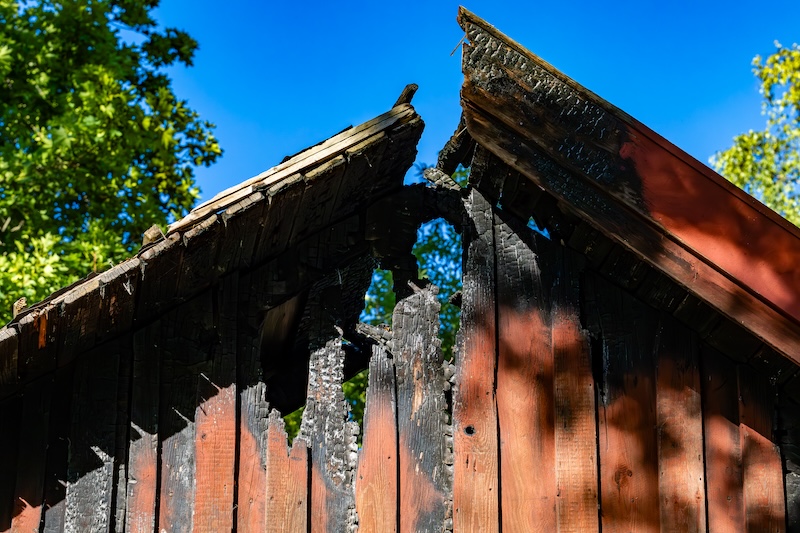
Your agricultural operations in the Lincoln, NE, area needs to have plans in place in case a harvest-season fire breaks out in any of your grain, feed, or equipment facilities. The aftermath of the blaze extends beyond the visible flames, leaving smoke, soot, heat damage, and water from firefighting efforts. This often results in damaged inventory, affected machinery, and unsafe work zones at a critical time of year.
After making sure that everyone occupying affected facilities is safe, you need to develop a structured approach with documentation, containment, and a strategic recovery plan. This is essential to protect your operations and minimize downtime.
Every step in the immediate aftermath impacts the speed and success of your recovery. This guide outlines the critical steps facility managers must take to regain control and get operations back on track after a fire.
What Should Facility Managers Do First After a Harvest-Season Fire?
Once emergency responders have cleared the scene, you must secure the site and initiate the recovery process. The first 24 to 48 hours are crucial. You need to prevent unauthorized access to protect your property from theft and individuals from injury on an unsafe site. This is also the time to call your insurance company to report the loss and then contact a professional commercial restoration company.
An experienced restoration partner can help you assess the scope of the damage and begin emergency mitigation services, such as boarding up openings and starting water extraction. This rapid response helps prevent further damage from the elements or secondary issues like mold. Acting quickly demonstrates proactive management to your insurer and sets a positive tone for the entire recovery project.
Keep Staff Out of Fire-Damaged Grain, Feed, and Equipment Areas
While the instinct may be to gather your team inside to assess the damage, it is vital to restrict access until professionals have deemed the area safe. A fire-damaged structure contains numerous hidden hazards. The building’s integrity could be compromised, creating risks of collapse. Wet floors and debris create significant slip-and-fall hazards, while damaged electrical systems pose a serious shock risk.
Also, the air quality inside a post-fire facility is often hazardous. Soot, smoke residue, and other airborne particles can cause respiratory problems. Keeping staff out of the affected areas protects them from injury and illness, limits your liability, and prevents the unintentional spread of soot and contaminants to clean areas of your facility.
Document Fire, Smoke, Soot, Water, and Inventory Damage
Thorough documentation is the foundation of a successful insurance claim and recovery plan. Before moving or discarding anything, create a comprehensive visual record of the damage. Use your phone or camera to take extensive photos and videos of all affected areas from multiple angles, capturing both wide shots and close-ups of specific damage to structures, equipment, and inventory.
Take a detailed inventory of all damaged items. This will be essential for your insurance claim and planning your restoration priorities. A professional restoration team can help you create this detailed documentation during their initial assessment.
- Damaged grain, feed, bins, and silos
- Affected conveyors, augers, and loaders
- Tractors and other heavy machinery
- Hand tools and shop and office equipment
- Electrical panels, wiring, and motors
- Administrative files, records, and packing materials
- All areas impacted by firefighting water
Which Materials Need Isolation Before Cleanup or Production Resumes?
Containment is a critical step in the restoration process. Soot and smoke particles are fine and can travel easily through the air, settling on surfaces in previously unaffected parts of your facility. To prevent this cross-contamination, isolate the damaged area should from the rest of the building using plastic sheeting and negative air pressure systems.
Isolating damaged inventory, like smoke-damaged feed or grain, is also necessary to protect your salvageable assets. A professional industrial restoration service has the equipment and expertise to establish proper containment zones.
How to Separate Salvageable Equipment From Contaminated Inventory
After establishing containment, you can begin sorting damaged items, carefully evaluating each piece of equipment and batch of inventory. Document clearly destroyed items and set them aside for disposal. Assess items that look salvageable for the type and extent of damage. Move equipment to a designated clean area for evaluation and store contaminated inventory securely away from clean product lines.
Why Smoke and Soot Exposure Can Affect Equipment, Records, and Stored Goods
Soot is an acidic byproduct of combustion. When it settles on metal surfaces, it can cause corrosion, pitting, and eventual failure of machinery and structural components. This corrosive residue damages sensitive electronic components and can cause short circuits.
Smoke odor can deeply penetrate porous materials, including packaging, documents, and office furniture. Specialized deodorization techniques are required to effectively neutralize the odor-causing particles.
What Firefighting Water Can Do to Feed, Floors, Electrical Systems, and Machinery
The water used in firefighting, though essential, introduces a new set of problems. In a grain or feed facility, excess moisture can lead to rapid spoilage and mold growth, potentially ruining entire silos of product. Water can seep into concrete floors, compromising their integrity, and can cause significant damage to electrical systems.
Machinery is also highly vulnerable. Water can cause metal parts to rust and seize, damage lubricants, and ruin electronic controls. Prompt and thorough water extraction and drying are essential to mitigate this secondary damage and salvage valuable equipment.
When Contents, Soft Goods, or Electronics Restoration May Be Needed
Many of the items within your facility may be salvageable with the right techniques. General contents restoration can include cleaning and repairing tools, machine parts, and other hard goods plus specialized office cleaning. Employee uniforms and other smoke-infused textiles can often be saved through advanced soft contents recovery processes.
How to Coordinate Cleanup Around Harvest Schedules and Business Continuity
After a fire during harvest season, the goal of restoration to help you resume business as quickly as possible after addressing the damage. This requires a phased approach, prioritizing the areas and equipment most critical to your workflow. Your restoration partner will work with you to develop a strategic plan to help you get key production lines operational while other areas are still being restored.
How to Prioritize Recovery by Safety, Product Loss, and Operational Bottlenecks
A successful recovery strategy requires clear priorities. The first is always safety, which means stabilizing the structure and addressing immediate environmental hazards. The second priority is mitigating product loss by salvaging unaffected inventory and properly handling contaminated materials. Finally, the focus shifts to identifying the machinery or processes that are essential to resuming production and channeling restoration efforts there.
How Insurance Documentation Supports a Commercial Fire Damage Claim
The detailed documentation you collected is invaluable for your insurance claim. Your restoration company will add their professional assessments, reports, and estimates. They can work directly with your insurance adjuster, providing the detailed evidence needed to process your claim efficiently.
This partnership helps confirm your claim reflects the full scope of the damage, which is crucial for securing funds for a complete recovery. Navigating the insurance process is much smoother with an experienced advocate on your side.
How a Facility Response Plan Can Reduce Future Harvest-Season Downtime
While you can’t prevent every disaster, you can prepare for one. Having a facility response plan in place before an incident occurs can dramatically reduce your downtime. This plan should include emergency contact lists, utility shut-off locations, and a pre-vetted restoration partner.
When you know who to call ahead of time, the response can begin immediately, saving precious hours. Commercial disaster planning is an investment in your business’s resilience.
Recover From Harvest-Season Facility Fire Damage With Paul Davis Restoration
Recovering from a fire at your grain, feed, or equipment facility in Lincoln requires a swift and strategic response. The challenges are significant, but we can help you navigate the process efficiently and get back to serving the agricultural community as soon as possible.
For expert commercial fire damage restoration in Lincoln, contact Paul Davis Restoration today.